
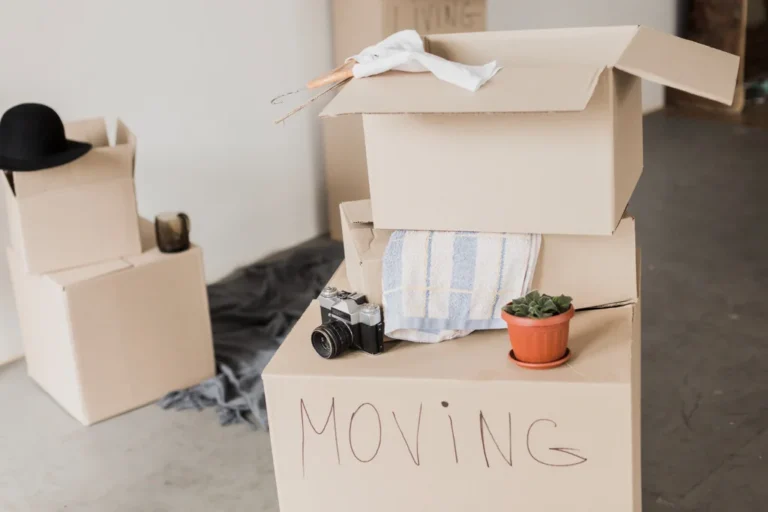
Downsizing Is a Decision, Not Just a Move
Knowing how to downsize your home is about more than sorting through closets and calling a moving truck. It’s about making intentional decisions about what you actually need, what you’ve been holding onto out of habit, and what your next chapter looks like without the weight of a home that no longer fits your life. In a city like Vancouver, where housing costs make smaller living an increasingly practical choice, getting this process right makes everything that follows easier.
Start With the Why Before You Start With the What
Before you open a single drawer or pull a single box off a shelf, get clear on why you’re downsizing. The reason shapes every decision you’ll make throughout the process. Someone downsizing because their kids have moved out thinks differently about the guest room than someone downsizing to free up equity for retirement. Someone moving closer to family has different priorities than someone simplifying for a lifestyle change.
Vancouver’s housing market adds its own layer of motivation for many people. The shift from a larger home to a smaller one often comes with significant financial relief, and keeping that benefit in mind helps when decisions get hard. Clarity on the why makes the what easier. When you’re not sure whether to keep something, go back to the reason you’re doing this in the first place.
The Room by Room Approach
The fastest way to stall a downsizing project is to try to tackle the entire house at once. The volume of decisions becomes overwhelming and most people end up paralyzed rather than productive. A room by room approach keeps the process manageable and gives you a sense of progress that builds momentum as you go.
Start with the spaces that have the least emotional weight, typically a bathroom, a laundry room, or a spare bedroom that’s become a storage space. Save the rooms with the most sentimental items, like the master bedroom or the family room, for when you’ve built some decision-making muscle. Set a realistic timeline and stick to it. Downsizing a full home typically takes several weeks of consistent effort, not a single weekend.
How to Downsize Your Living Room
The living room is where most people encounter their first major furniture problem. Sectional sofas, oversized coffee tables, and large entertainment units rarely fit well in a smaller space. The temptation is to assume you’ll make it work. In most cases, you won’t, and forcing oversized furniture into an undersized room makes the new space feel cramped rather than cozy.
Measure the new space before making any decisions about what comes with you. Work with the actual dimensions rather than your best guess. If a piece of furniture doesn’t fit on paper, it won’t fit in person. Decide early what makes the cut and make arrangements for the rest before moving day rather than after.
How to Downsize Your Kitchen
Kitchens accumulate more unused items than almost any other room in a home. Duplicate appliances, gadgets bought for a single recipe, and serving pieces used once a year take up significant cabinet space that a smaller kitchen simply won’t have.
Go through every appliance and ask when you last used it. If the answer is more than six months ago and it doesn’t serve a function nothing else can, it’s a candidate for donation or sale. Consolidate where you can. A good blender often replaces three other gadgets. The goal is a kitchen that works better, not just one that has less in it. Keep what you actually cook with and let the rest go.
How to Downsize Your Bedroom and Closets
Clothing is where most people significantly underestimate the volume they’ve accumulated. A wardrobe that spreads across a large walk-in closet will not fit in a standard reach-in without serious editing. The one year rule is a reliable starting point. If you haven’t worn something in the past year, the odds are good you won’t wear it in the next one.
Bedroom furniture also needs a hard look. A king size bed that dominates a smaller master bedroom makes the room feel like a hallway. Measure the new bedroom and figure out what size bed and how many pieces of furniture the space can genuinely support. Sentimental items deserve their own category. Don’t force yourself to decide on everything in one pass. Set sentimental items aside and come back to them with fresh eyes rather than decision fatigue.
How to Downsize Your Garage and Storage Areas
Garages and storage areas are where downsizing projects go to die. These spaces accumulate items that were put there because a decision was deferred, not because they were actually needed. Go through everything with a clear question: does this fit in the new space and will I actually use it?
Tools and equipment are worth keeping if the new home has space for them and you use them regularly. Hobby items deserve the same honest evaluation. Sports equipment, gardening tools, and seasonal gear all take up significant room. Larger items that don’t make the cut can often be sold quickly on local platforms or donated to community organizations around Vancouver. A storage unit can serve as a temporary bridge if you’re not ready to make final decisions on everything before the move.
What to Do With Furniture That Won’t Fit
Once you know what isn’t coming with you, the question becomes what to do with it. Selling is the most rewarding option when time allows. Facebook Marketplace, Craigslist, and local buy and sell groups in Vancouver move furniture quickly, especially larger pieces that are hard to find at a good price. Price things to sell rather than to maximize return and they’ll move faster.
Donating to local organizations is a satisfying alternative for pieces in good condition. Furniture banks, thrift stores, and community organizations around the Lower Mainland accept donations regularly and will sometimes arrange pickup for larger items. Gifting to family or friends is another option that keeps pieces you care about in circulation rather than a landfill. For what’s left, junk removal services handle the rest efficiently so you’re not stuck managing it yourself on top of everything else.
Our local moving team in Vancouver can help you coordinate the timing of your downsize move so that what’s staying and what’s going are sorted before the truck arrives.
Making the Move After Downsizing
Once the downsizing decisions are made, the move itself becomes significantly more manageable. A smaller, more intentional load moves faster, costs less, and arrives with less chaos on the other end. Every item that didn’t make the cut is one less thing to pack, carry, unpack, and find a home for in the new space.
For those downsizing later in life, the physical demands of moving deserve extra consideration. Letting professionals handle the heavy work makes a meaningful difference in how the day feels and how quickly you recover from it. Our senior moving team in Vancouver is experienced in moves that require extra care, extra patience, and an understanding of what this kind of transition means beyond the logistics.
Downsizing my home is a phrase that can feel heavy before the process starts and surprisingly light once it’s done. Most people find that the space they end up with feels more like them than the one they left.
Ready to Make Your Move?
You’ve done the hard work of deciding what comes next. Let You Move Me Vancouver handle the rest.
Get your free estimate today and move into your next chapter with confidence. ♥